
Going Viral Is Luck. Getting Discovered Is a System.
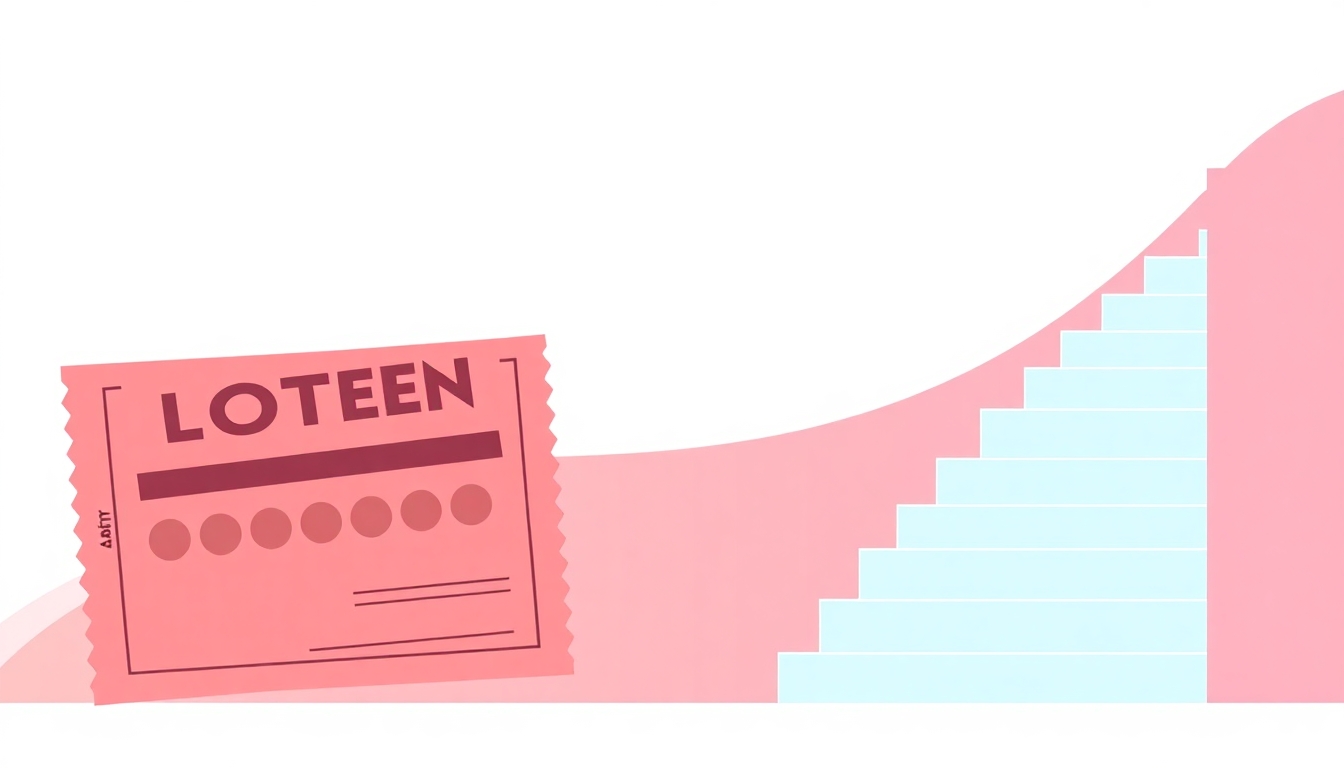
Everyone wants the viral video. One post, ten million views, overnight fame and a flood of followers. It happens, we have all seen it, and it is almost entirely luck. The creators who actually build lasting careers are not chasing that lightning strike. They are running a system that makes discovery inevitable over time, whether or not any single video explodes.
The distinction sounds subtle, but it changes everything about how you work. Chase viral and you are gambling. Build a discovery system and you are compounding. One is a slot machine, the other is a business. Here is how to stop pulling the lever and start building the machine.
Why viral is a bad target
You cannot reliably reproduce a viral hit, even one of your own. The exact combination of timing, trend, and algorithmic luck that made it work will not line up again on command. So when creators chase virality, they keep changing their formula, abandoning what works to gamble on what might explode. That is precisely how promising accounts stall: they are perpetually starting over.
Worse, viral spikes often bring the wrong audience. A million views from a fluke video rarely converts into a loyal following, because those viewers came for the moment, not for you. You are left with an inflated number and a crash afterward, wondering what went wrong.
What a discovery system looks like
A system is boring, and it works. It is a repeatable loop: post consistently in one clear lane, study what performed, make more of that, and cut what did not. Do that for months and the algorithm builds an increasingly precise picture of who to show you to. Discovery stops being an accident and becomes a steady, rising baseline.

Consistency compounds where virality crashes
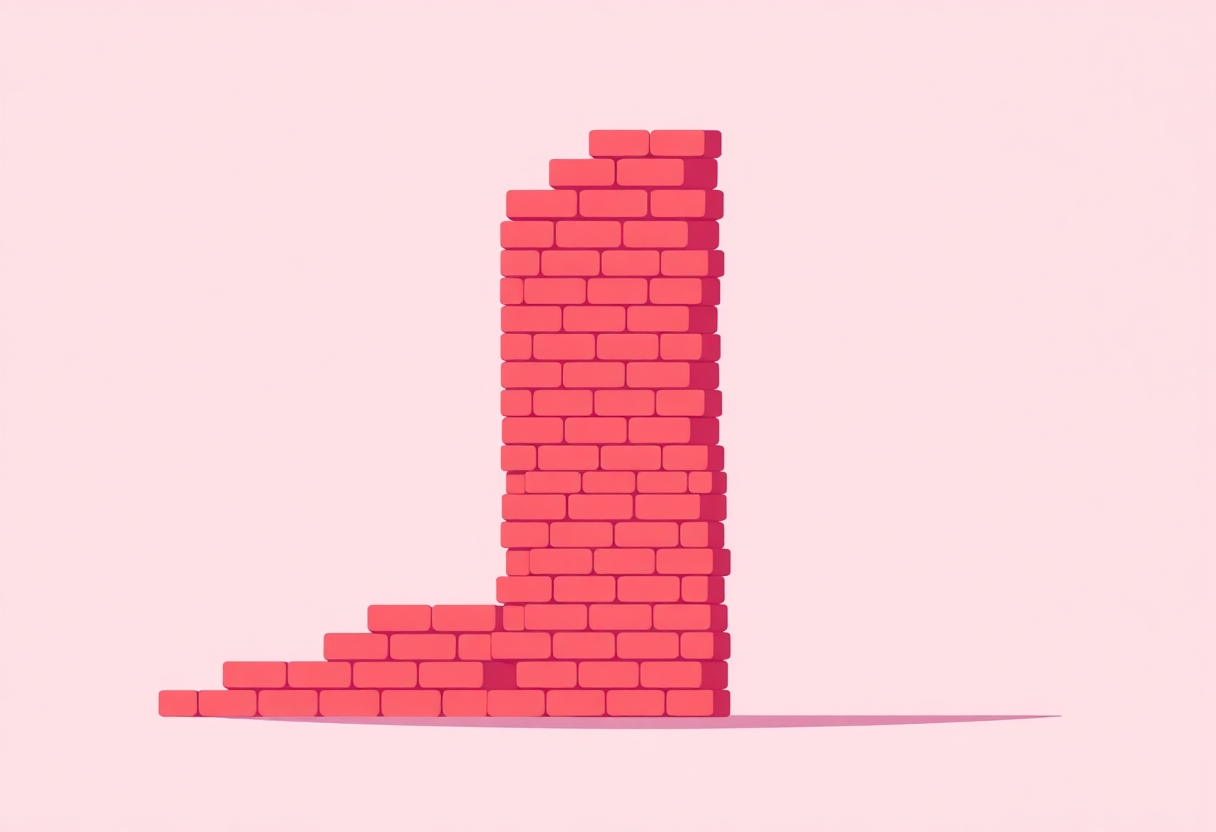
A viral video is a tall, unstable tower, impressive and precarious. A discovery system is a wall built brick by brick, unremarkable on any given day and unshakeable over time. Ten thousand followers earned through a system are worth more than a hundred thousand from a fluke, because the system ones actually came for what you do.
Stack small edges, do not chase big ones
- A sharper hook than last time, tested and improved weekly.
- One more day of consistency than you feel like showing up for.
- A tighter niche so the algorithm knows exactly who to serve you to.
- A stronger first hour, sometimes helped along with a boost of TikTok views to clear the initial test.
None of these is dramatic. None will make headlines. But stacked over months, they compound into reach that a single viral video rarely sustains anyway. Small edges are boring, and boring is what builds careers.
What to do if you do go viral
If lightning does strike, do not treat it as the finish line, treat it as a spotlight. Have a clear pinned video, a consistent format, and a reason to follow ready, so the flood of new eyes finds a real account worth staying for. A viral moment is only valuable if your system is there to catch the momentum.
Viral is a moment you cannot control. Discovery is a machine you can build, one boring day at a time.
Quick answers
Is it wrong to want to go viral?
Not wrong, just unreliable as a plan. Enjoy it if it happens, but never build your strategy on it. Build the system, and let virality be an occasional bonus.
How long before a system shows results?
Usually two to three months of consistent, focused effort before the algorithm firmly understands your audience. Most people quit right before that clicks into place.
Can a boost make me go viral?
No, and be wary of anyone who promises that. A boost helps a strong video clear its first test and reach a fairer audience. Whether it takes off from there depends on the content.
Stop buying lottery tickets. Start running the system. The results are slower, less glamorous, and far more likely to actually be there in a year. That is the trade every serious creator eventually learns to make.
Ready to grow?
Skip the grind. Get quality TikTok engagement delivered in minutes, no password needed.