
Best Times to Post on TikTok (and Why It's Overrated)
Search "best time to post on TikTok" and you will find a hundred confident charts, all slightly different, all promising the magic window that will finally make your videos take off. Here is the uncomfortable truth up front: posting time is real, but it is one of the least important levers you have. Let us put it firmly in its place.
This is not to say timing is worthless. It is to say that creators pour anxious energy into it that would be far better spent elsewhere. By the end of this you will know exactly how much timing matters, how to find your own best window, and what to actually obsess over instead.
Why timing matters less on TikTok
On older feeds like Instagram, timing mattered a lot, because posts were shown mostly to your existing followers in the hours right after posting. Post when your audience was asleep and the post was effectively dead. The clock was a real constraint.
TikTok works differently. The For You page keeps surfacing content for days, even weeks, to people who have never heard of you. A great video posted at a "bad" time still finds its audience as the algorithm keeps testing it. A weak video posted at the "perfect" time still dies, because timing cannot save content people scroll past.
What timing actually does
Posting when your audience is active gives a video a slightly stronger first hour, which can help it clear the initial test batch a little faster. That is a genuine, if modest, benefit. It is a nudge to the front of the line, not a golden ticket. Worth doing, absolutely not worth the anxiety it usually gets.

Ignore the generic charts
Those "best time to post" charts are averages across millions of unrelated accounts. Your audience is not the average. A cooking account aimed at parents and a gaming account aimed at teenagers have completely different active hours, and a global average serves neither well. The only chart that matters is your own.
Find your real best time
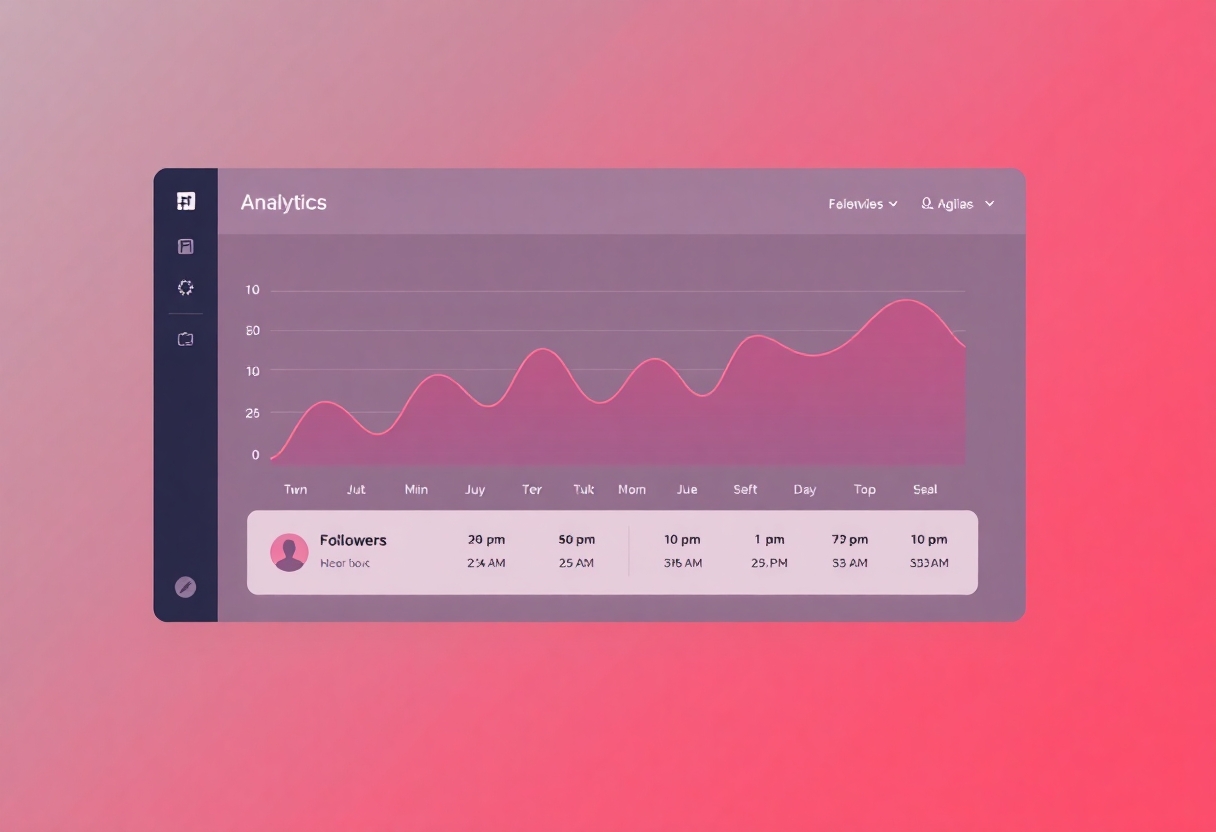
- Check your analytics for when your followers are most active, TikTok shows this directly.
- Post a little before that peak so the video is warm and gathering signals when the crowd arrives.
- Test and note your results, three weeks of your own data beats any listicle.
- Account for time zones if your audience is spread across regions, aim for overlap.
What to optimize instead
Spend the energy you were about to waste on timing on the things that actually decide reach: your hook, your retention, and your consistency. These move the needle ten times more than shifting your post by two hours ever will. A better first two seconds will do more for you this month than a perfectly timed post ever could.
And if you want to give a strong video a firmer first-hour signal, a small boost of TikTok views does far more than optimizing your clock. It helps the video reach a fuller test audience regardless of the hour, which is the real thing timing was only ever nudging toward.
Timing is the seasoning. The video is the meal. Do not spend an hour on the seasoning and five minutes on the meal.
Quick answers
So should I ignore posting time entirely?
No. Post roughly when your audience is active, then forget about it. Get it approximately right and move on to things that matter more.
Is it better to post at a bad time than not at all?
Almost always yes. Consistency beats perfect timing. A video posted at a mediocre hour still gets tested for days. A video you never posted gets nothing.
How many times a day should I post?
One quality video a day is a strong target. If you can maintain quality at more, great, but never trade a good hook for an extra post.
Pick a sustainable schedule, post near your audience's peak, and then genuinely stop thinking about it. The creators who grow are not the ones with the perfect posting time, they are the ones making videos people cannot scroll past.
Ready to grow?
Skip the grind. Get quality TikTok engagement delivered in minutes, no password needed.